The back story
Wild California: Sea Otters, Condors, Elk and Island Foxes
Sea otters, condors, elk and island foxes: wild California.

Photo Credit
Image courtesy of © Mike Baird · CC BY 2.0 via Wikimedia CommonsCalifornia’s wild side, from the sea otters and sea lions of the central and southern coast to the condors of Pinnacles, the Roosevelt elk of the redwoods, the black bears of Yosemite and the island foxes brought back from the brink on the Channel Islands, with a directory of the parks, reserves and aquarium in our guide. Facts from the National Park Service, the U.S. Fish and Wildlife Service and California State Parks.
California’s wildlife is as big as its landscapes. Sea otters float on their backs in the kelp off the central coast, sea lions bask on the rocks of La Jolla, and whales pass offshore in season. Inland, California condors, the largest land birds in North America, soar again over the rock spires of Pinnacles; Roosevelt elk graze the meadows beneath the tallest trees on earth; and hundreds of black bears roam Yosemite.
Much of the best of it lies inside the national and state parks, a day’s drive or less from San Francisco, Los Angeles and San Diego. The rules there are simple and strict: keep your distance, store your food properly, and let the animals be wild.
On the coast: sea otters, sea lions and whales
The Monterey Bay Aquarium on Cannery Row has sea otter exhibits beside the bay itself, and it is a fine place to start: the real thing is often floating in the kelp just offshore. South of Carmel on Highway 1, Point Lobos State Natural Reserve has short trails around coves, cypress groves and rocky headlands, with sea lions on the rocks and, in season, whales offshore.

Photo Credit
Image courtesy of © Rhododendrites · CC BY-SA 4.0 via Wikimedia CommonsIn San Diego, sea lions and seals haul out on the rocks around La Jolla Cove, below the village of La Jolla, and on the cliffs to the north, Torrey Pines State Natural Reserve protects the rare Torrey pine above the Pacific. Watch from a distance: the animals are wild, and approaching them disturbs their rest.
The Channel Islands: foxes found nowhere else
Off the coast of Ventura and Santa Barbara, Channel Islands National Park covers five islands; the visitor centre is in Ventura harbour, and boat trips leave from Ventura and Santa Barbara. Close to the mainland but worlds apart, in the park’s own words, Santa Cruz Island is home to plants and animals found nowhere else on Earth.

Photo Credit
Image courtesy of © Pacific Southwest Region USFWS · CC BY 2.0 via Wikimedia Commons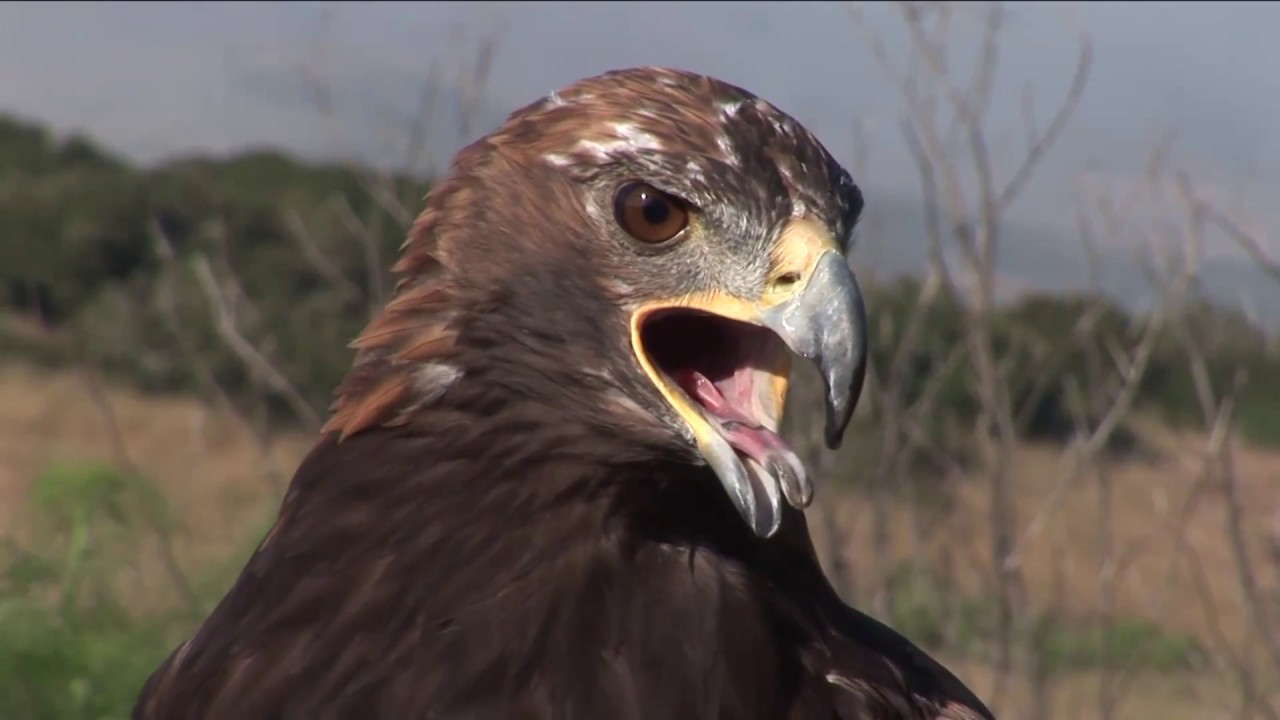
Video Credit
Video © Channel Islands National Park (NPS) · plays from YouTube, which may set its own cookies once it startsThe island fox, a small fox found only on these islands, was not long ago on the brink of extinction. The National Park Service and The Nature Conservancy brought it back with a long restoration programme: captive breeding of the foxes, the removal of the golden eagles that preyed on them, the return of bald eagles, and the removal of sheep and pigs. The IUCN now lists the island fox as Near Threatened.
In 1987 the last wild California condor was taken into captivity. Today they fly over Pinnacles again.
Redwoods and the Sierra: elk and black bears
On the far north coast near Crescent City, Redwood National and State Parks protect old-growth coast redwoods, and the meadows between them belong to herds of Roosevelt elk, the largest subspecies of North American elk; the bulls can weigh as much as 1,200 pounds.
The parks recommend watching from at least 25 yards (75 feet), and farther during calving, from late May through June, and the rut, from late August through October, when the animals can turn aggressive.

Photo Credit
Image courtesy of © Roman Eugeniusz · CC BY-SA 3.0 via Wikimedia CommonsHundreds of black bears live in Yosemite, and seeing one is often the highlight of a visit. The park’s bear team is clear about why food storage matters: if food is left in a car, bears will break windows and claw through the back seat to get it. Use the bear-proof lockers at campgrounds, trailheads and lodgings, and drive the speed limit, since bears are hit on the park roads.
Feature: the California condor
The California condor, one of the most critically endangered birds in North America, has a home again at Pinnacles National Park, a park of rock spires and caves inland from Monterey. Since 2003 Pinnacles has been a release and management site in the California Condor Recovery Program, and the park co-manages all the wild condors of central California with the Ventana Wildlife Society.
Look up from the High Peaks trails: the great black birds, with white patches under their wings and numbered tags, ride the thermals above the spires.

Photo Credit
Image courtesy of © California Department of Fish and Wildlife · CC BY 2.0 via Wikimedia CommonsDid you know? In 1987 the last wild California condor was taken into captivity to save the species. By the end of 2025, the U.S. Fish and Wildlife Service counted 607 condors, 392 of them flying free.
Our advice
Our advice: bring binoculars to the coast, and look for sea otters in the kelp beds off Monterey and Carmel rather than chasing them by kayak. Keep well back from sea lions and seals, at least 25 yards from elk (much farther in the calving and rutting seasons), and never feed any wild animal. In Yosemite, store every scrap of food in the bear-proof lockers, never in your car. For condors, walk the High Peaks at Pinnacles early on a clear day. Check each park’s own page for fees, closures and conditions before you go.
Why it's on our list
- On the coast: sea otters, sea lions and whales
- The Channel Islands: foxes found nowhere else
- Redwoods and the Sierra: elk and black bears
- Feature: the California condor
- Our advice
Location
The map comes from Google Maps, which sets its own cookies once it loads.
More in depth
 The back storyFrom Pacific Heights to Montecito: buying property in CaliforniaHow buying works in California, and where we’re adding agents.
 The back storyNob Hill to Big Sur: where to stay in CaliforniaGrand hotels, desert hideaways and vineyard resorts: how to choose.